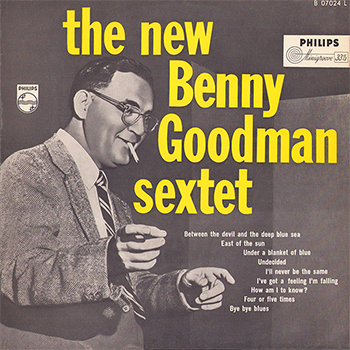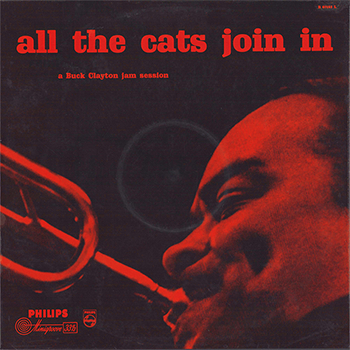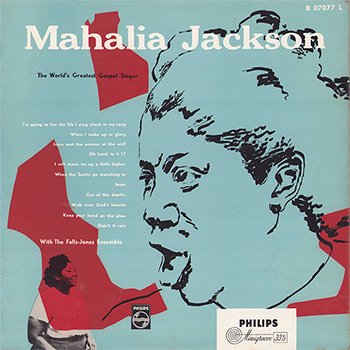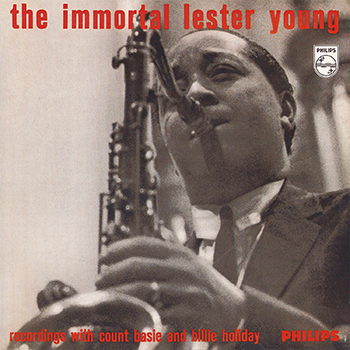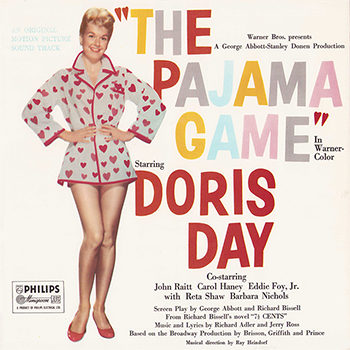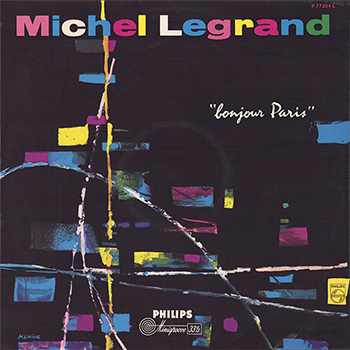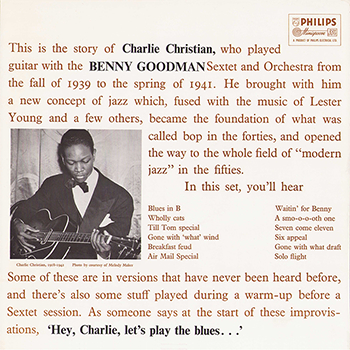
Images have been added for Philips S 06205 R. The curious thing about this release, is that it was released on Philips D 99809 R as well. I have Dutch pressings of both, meant for the German market and they are identical, except for the number.

Images have been added for Philips S 06205 R. The curious thing about this release, is that it was released on Philips D 99809 R as well. I have Dutch pressings of both, meant for the German market and they are identical, except for the number.

Added today: images of a French 10inch album in the “Classiques Pour Tous” series. This series is connected to the Favourites-Series, but it has a different cover lay-out. Discogs says this album is from 1957, indicating that “87” (in “Imp. J.A.T. 87” as printed on the back cover) means the album is from August (8), 1957 (7). Could be true, but I’d like to see some more information. In the Netherlands and Germany, this album was released as Philips G 05608 R, most likely from 1959 (though earlier Dutch/German issues may exist – with number S 06671 R…!?).

Click on the image to see all images.
Added today are images for Philips P 10225 R: “Midnight Party” by Alfred Hause and his Orchestra (1957).

Added today: info and scans about Philips P 13022 R by the Kilima Hawaiians; a second issue of a 10 inch album which was released before with the same catalog number but it had a different cover.

I’ve added information and scans for the following Mozart 10 inch albums:
#05904 is mentioned in the “Mozart Jubilee Editon” booklet (see this post), but the album itself had no references to this Mozart series. #00758 shows the Mozart logo and more information about this series, but it’s not mentioned in the before-mentioned booklet, probably because it’s a later release. Check the issues (see links above) for more information.


An original Dutch issue of Philips A 00687 R was added to the page that was already there for this album, showing a German reissue.

The Londonjazzcollector website (with thanks to the 7tt77 website) lists matrix codes which identify the ‘lacquer cut machine number’ – it indicates what country the lacquer was cut in. It doesn’t add much to the information given on this website, but here’s a listing of these matrix codes:
The listing may be incomplete and may also not be completely representative for the 1950’s and early 1960’s – the Minigroove years. I noticed that on many early pressings, this code is not present at all. It was probably introduced around 1955.
From a short inspection, if the code is present, almost all Philips Minigroove albums that I have, show the 670 number. It’s also present on the few albums I have from more exotic locations, like in Africa or South America. UK pressings usually show the code 420, Italian pressings show the code 520 (but I also have an Italian album with the UK code), but I didn’t find 320, for German lacquers. I guess the vast majority of lacquers were made in the Netherlands and then shipped to foreign countries, where the stampers were made and the records were pressed.